Quake's source code was released in 1999, and since then dozens of community engines, called source ports, have kept the game running on modern hardware. Three of them dominate today's single-player scene: QuakeSpasm, its Vulkan descendant vkQuake, and the performance-focused Ironwail. They share a lot of DNA, so choosing between them comes down to a few clear differences.
One family tree
QuakeSpasm grew out of FitzQuake and became the reference engine for single-player mapping. It uses OpenGL and aims to stay close to the original game. vkQuake is based on QuakeSpasm and QuakeSpasm-Spiked, but its renderer was rewritten for Vulkan. Ironwail is also a QuakeSpasm fork; it keeps OpenGL but modernises the renderer heavily to run enormous maps quickly. Because all three come from the same base, mods that work in QuakeSpasm generally work in the other two.
Renderer and performance
vkQuake's main advantage is its multithreaded renderer and loader. On large community maps, where QuakeSpasm can slow down noticeably, vkQuake keeps frame rates high. Ironwail takes a different path to similar results and also performs very well on big maps. QuakeSpasm is fast enough for the original levels on almost anything, but it is the slowest of the three on heavy content.
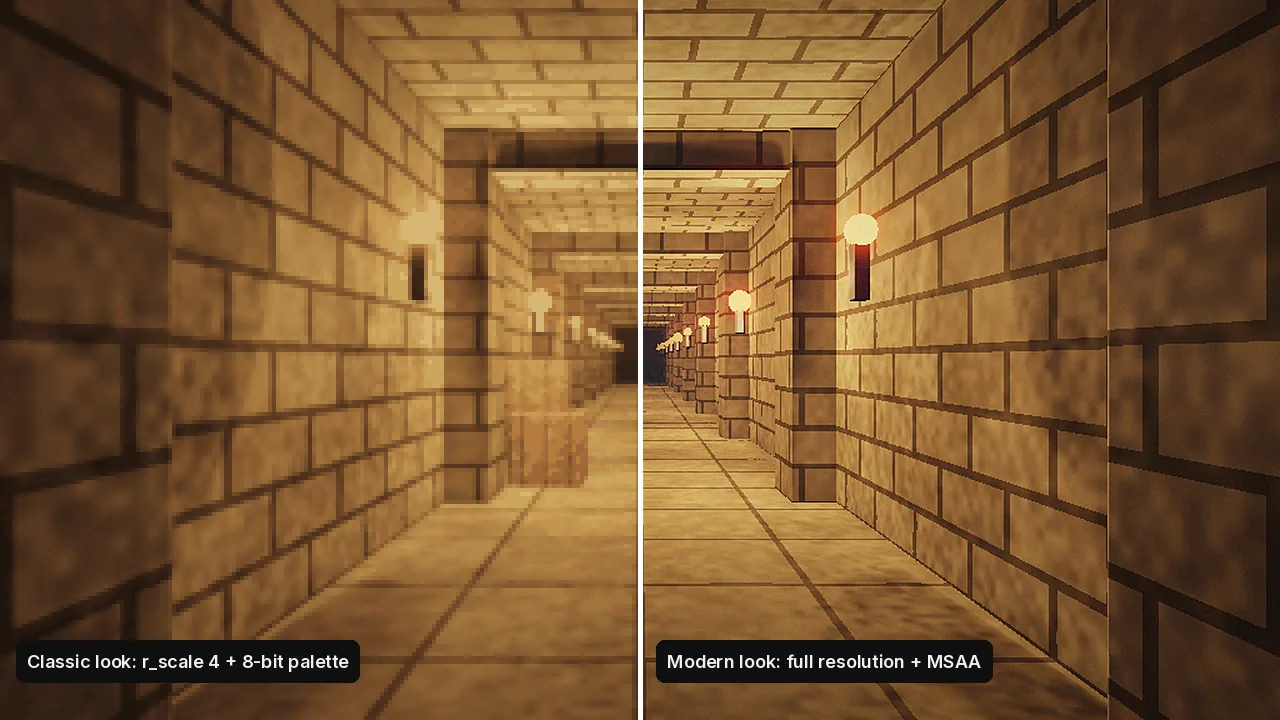
How each one looks
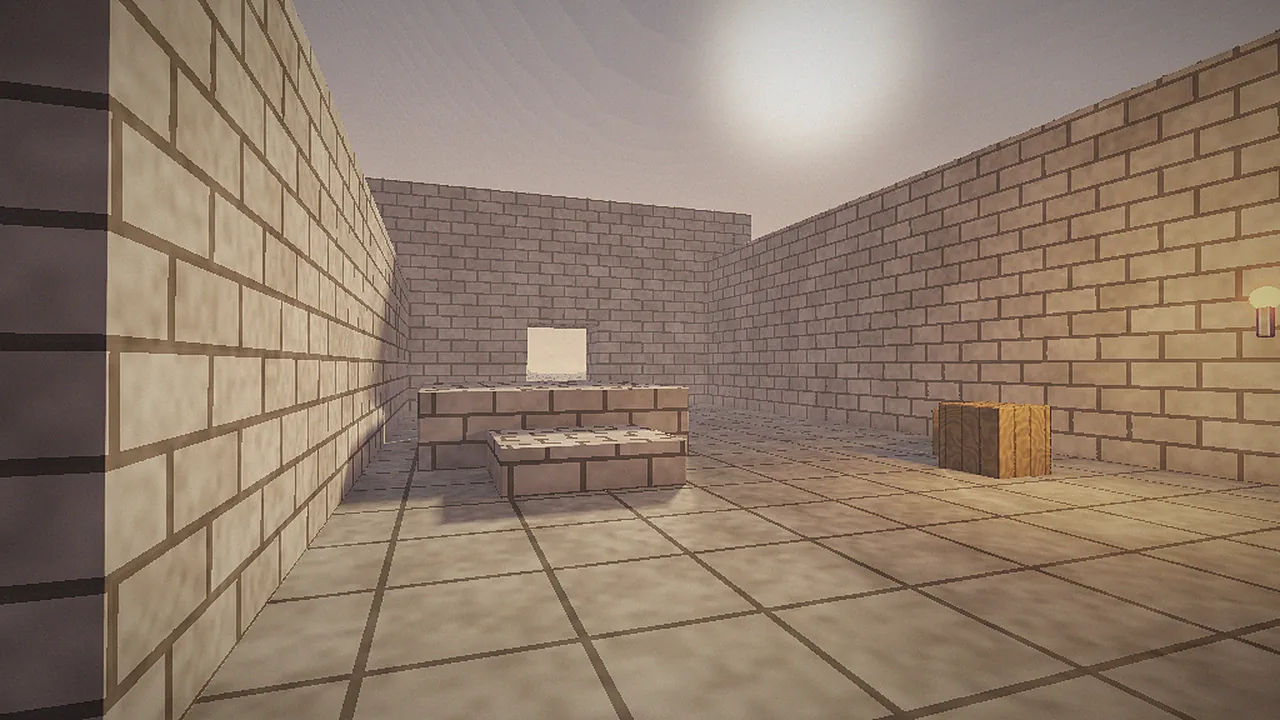
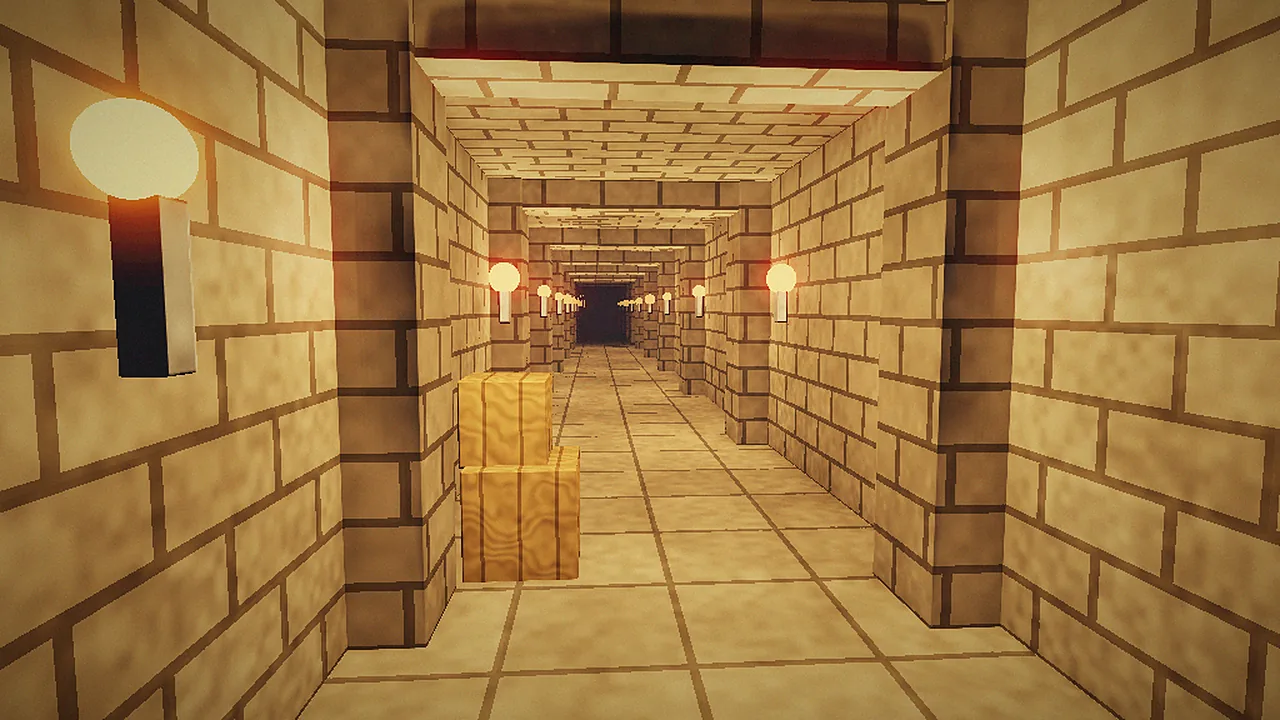
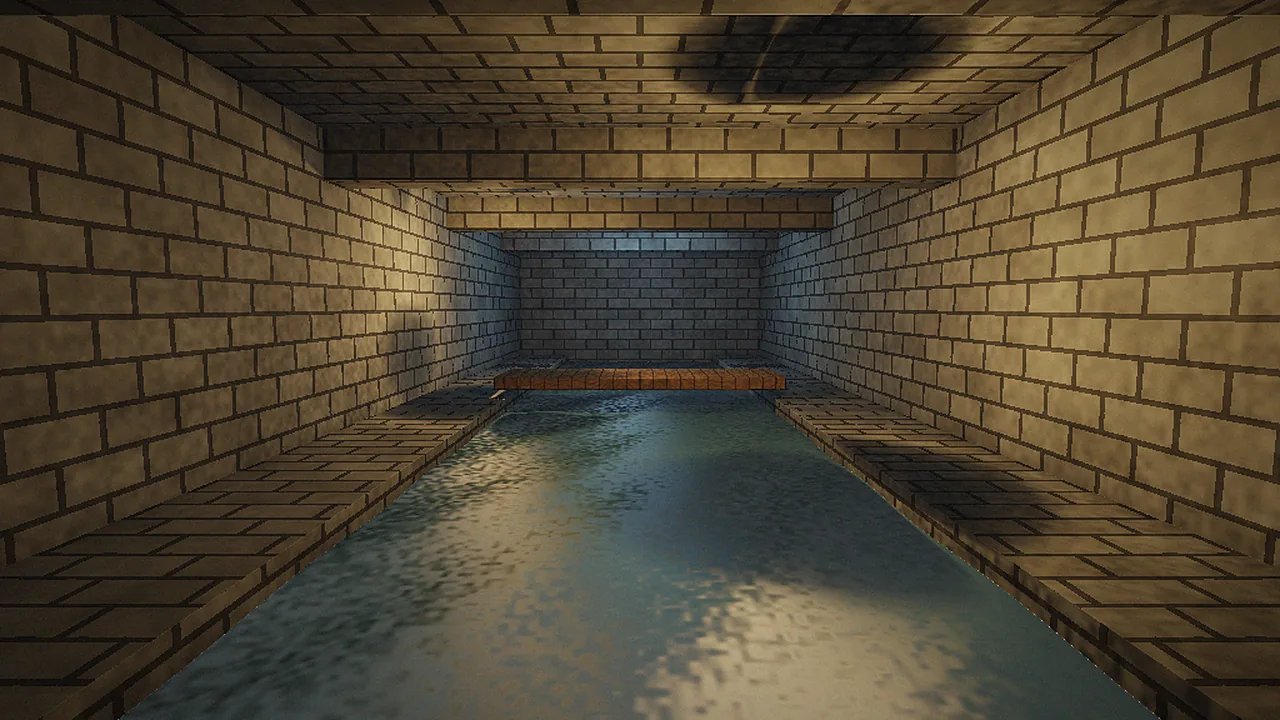
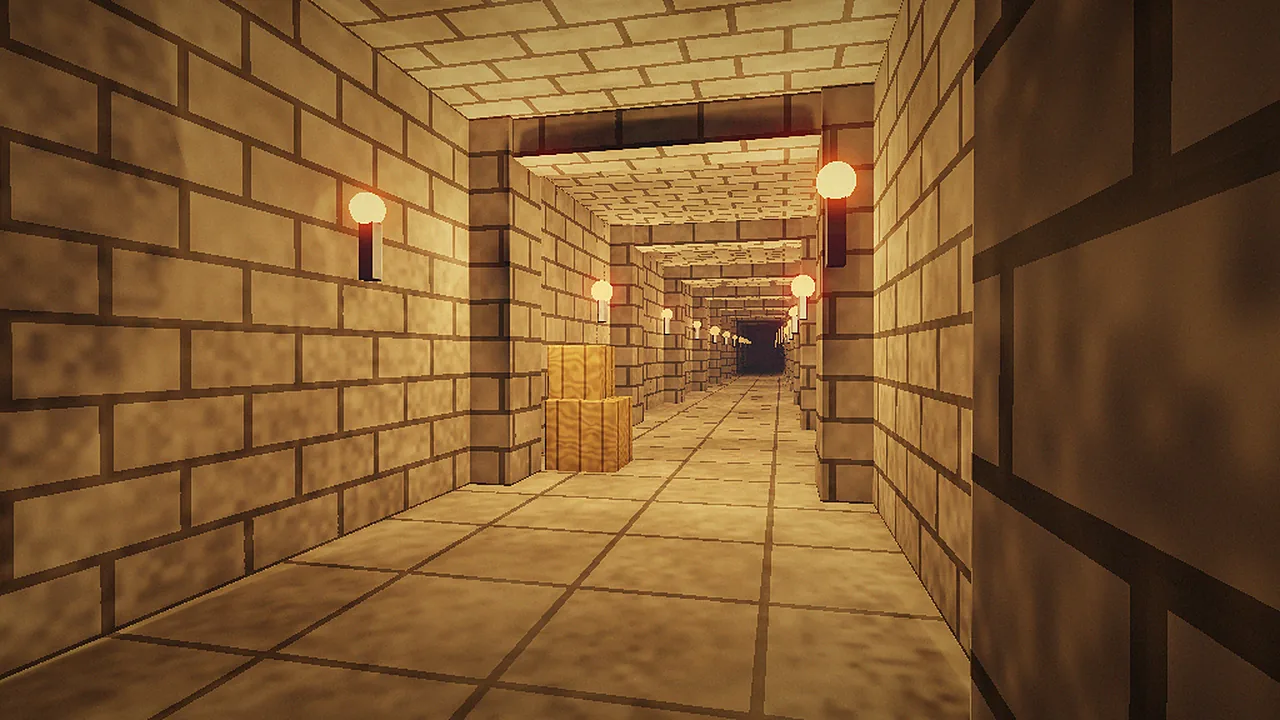
All three can approximate the crunchy software-rendered look of 1996. vkQuake goes furthest with built-in 8-bit color emulation, pixel scaling and a software-style underwater warp. It also supports MSAA, anisotropic filtering, true-color textures and, on ray-tracing GPUs, dynamic shadows and the 2021 re-release's dynamic lights. Ironwail focuses on a faithful look with excellent performance, while QuakeSpasm offers the fewest visual extras.
Side-by-side summary
| vkQuake | Ironwail | QuakeSpasm | |
|---|---|---|---|
| Graphics API | Vulkan | OpenGL 4.3 | OpenGL |
| Performance on huge maps | Excellent | Excellent | Good |
| High FPS without physics bugs | Yes | Yes | Limited |
| Software-style look | 8-bit color emulation | r_softemu option | No |
| Ray-traced shadows | Yes (RT GPUs) | No | No |
| Built-in mods menu | Yes | Yes | No |
| License | GPL-2.0 | GPL-2.0 | GPL-2.0 |
Which one should you choose?
Choose vkQuake if you want the most features in one package: Vulkan performance, high refresh rate support, 2021 re-release compatibility and optional ray-traced effects. It is a strong default for most players. Choose Ironwail if your GPU's Vulkan driver is unreliable, or you want a lean, fast OpenGL engine. Choose QuakeSpasm if you're a mapper who needs a conservative reference engine to test against, or you're on very old hardware.
The good news is that you don't have to commit. All three can run from the same Quake folder side by side. Try them on a large map such as Arcane Dimensions and keep whichever feels best. Our alternatives table also covers FTEQW, DarkPlaces and the official KEX re-release.